
Optimal Timing for Fire Restorations
Determining the optimal time for fire restorations involves considering seasonal weather patterns, humidity levels, and property condition. Typically, the most suitable periods are during dry months when moisture levels are low, reducing the risk of mold growth and further damage. Additionally, scheduling restorations in warmer months allows for better ventilation and quicker drying processes.
Timing is crucial as fire damage can compromise structural integrity and lead to secondary issues like mold, corrosion, and pest infestations if not addressed promptly. Immediate action minimizes restoration costs and prevents long-term deterioration. It is recommended to plan restorations as soon as fire damage is contained and safety assessments are completed.
Spring and summer often provide ideal conditions for fire restorations due to warmer, drier weather that facilitates drying and repairs.
Avoid scheduling during heavy rain or high humidity periods to prevent delays and additional damage from moisture.
Assessing structural stability and damage extent helps determine the best timing for effective restoration.
Immediate response after fire containment reduces secondary damages and restoration costs.
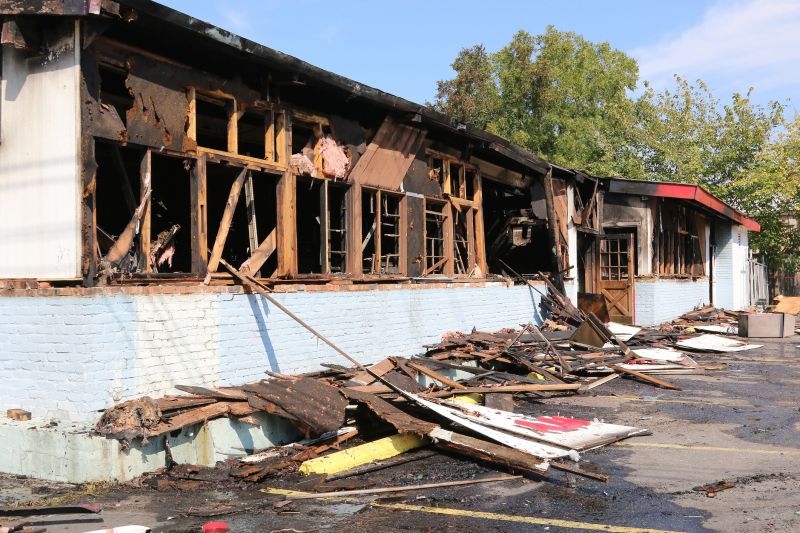
Inspecting the extent of damage is essential before scheduling restoration efforts.
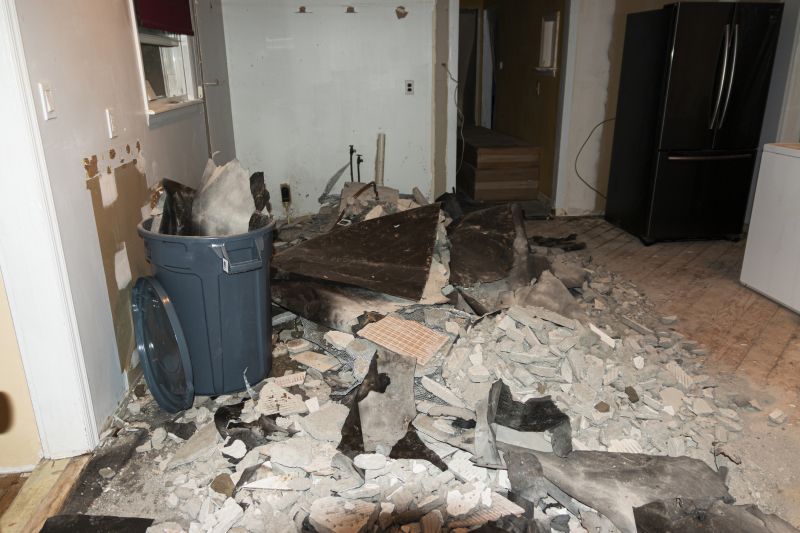
Timely cleanup prevents further deterioration and prepares the site for repairs.
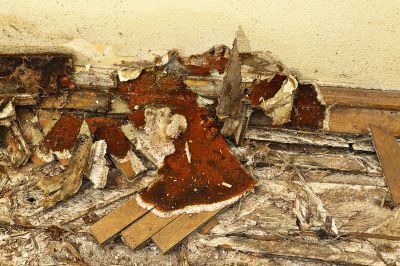
Proper drying is critical to prevent mold growth and wood warping.
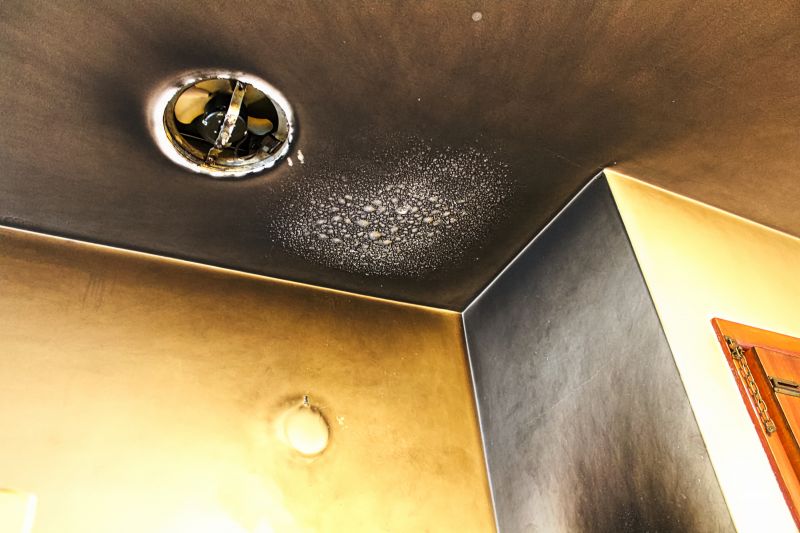
Effective cleaning restores air quality and surface appearance.
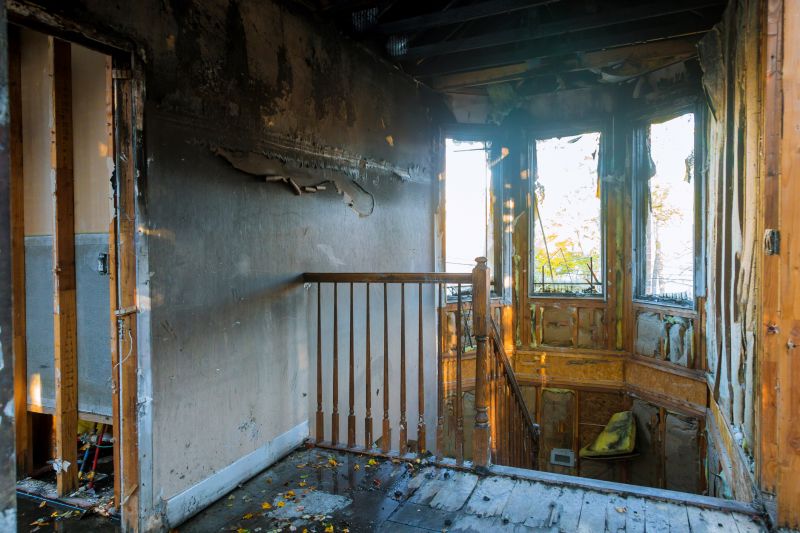
Developing a detailed plan ensures efficient and timely repairs.
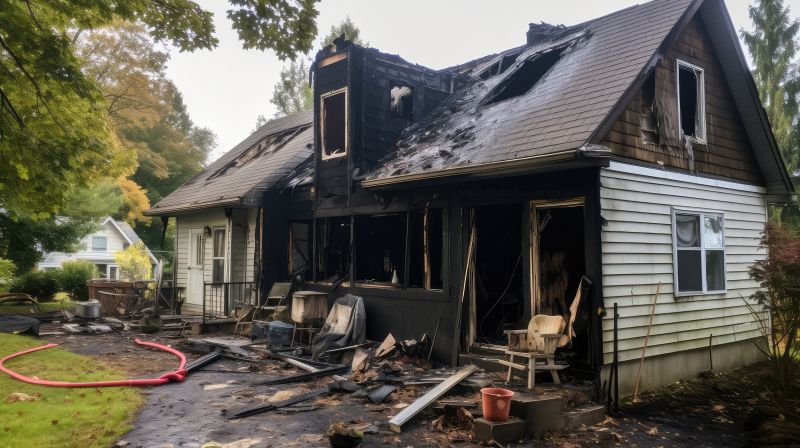
Scheduling during favorable weather accelerates reconstruction efforts.
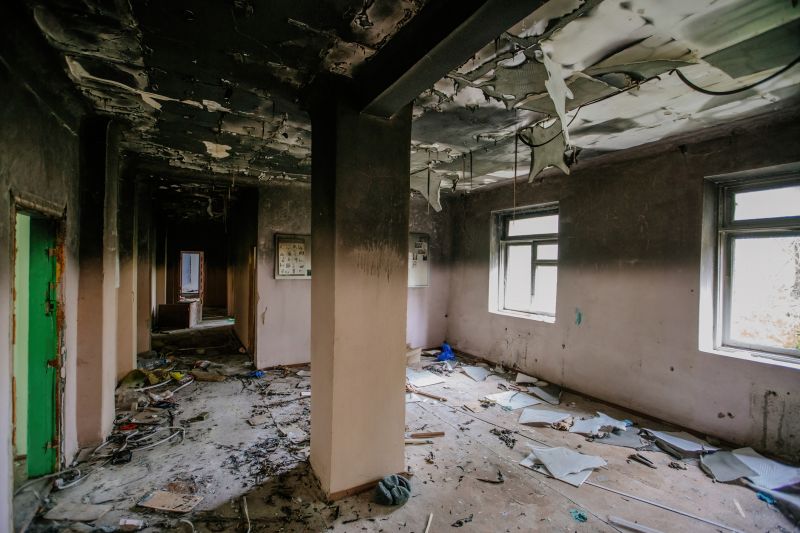
Ensures all damages are addressed before project completion.
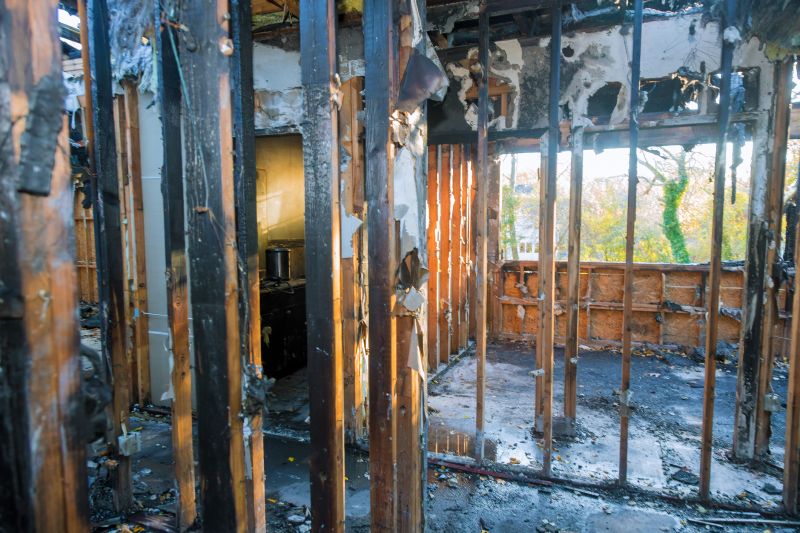
Regular upkeep helps maintain the integrity of restored structures.
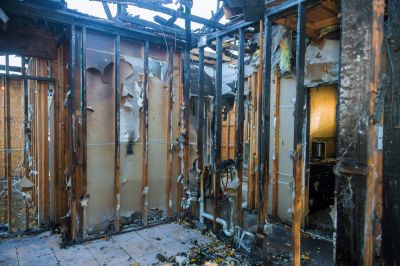
Images depict the restoration process from damage assessment to completion.
| Factor | Impact on Timing |
|---|---|
| Weather Conditions | Dry, warm weather aids in faster restoration and drying. |
| Damage Severity | More extensive damage may require scheduling flexibility. |
| Property Accessibility | Easier access during certain seasons can expedite work. |
| Resource Availability | Availability of restoration crews varies seasonally. |
| Secondary Damage Risk | Delays increase risk of mold and structural issues. |
| Insurance Processing | Timely documentation can influence scheduling. |
| Environmental Factors | High humidity or rain can delay outdoor repairs. |
| Safety Considerations | Ensuring structural safety before work begins is essential. |
Fire restorations are a critical process that involves assessing damage, cleaning affected areas, and rebuilding structures. Proper timing ensures that restoration efforts are effective and efficient, reducing long-term costs and preventing additional damage. Immediate response combined with strategic scheduling during favorable weather conditions can significantly impact the success of fire restoration projects.
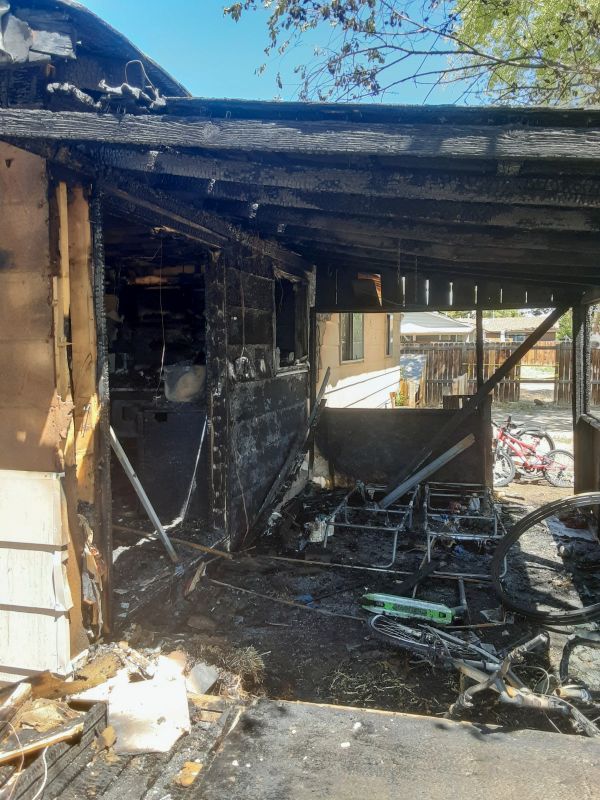
Removing debris and soot to prepare for repairs.
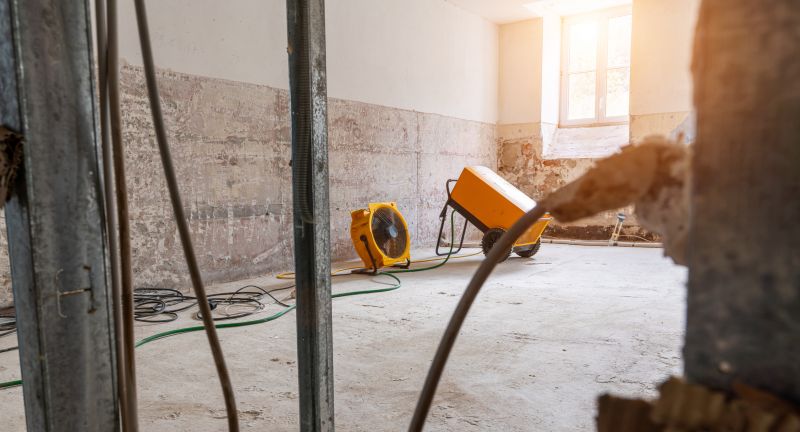
Using specialized equipment to eliminate moisture.
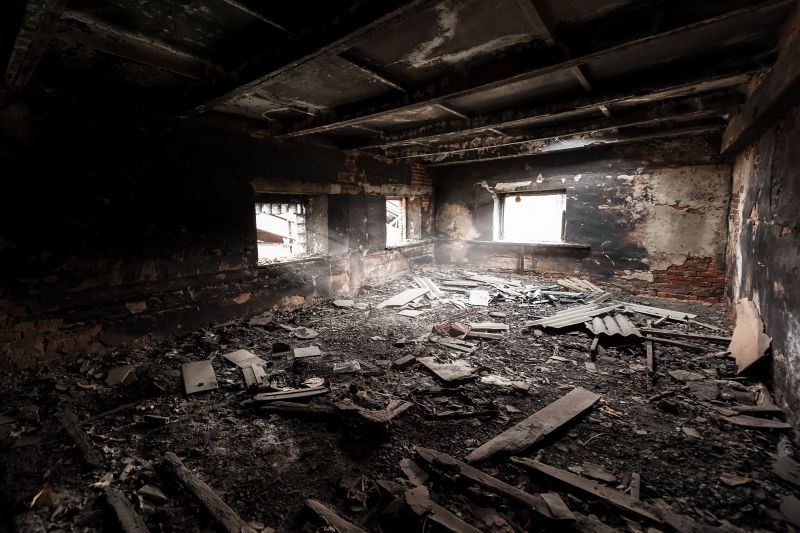
Cleaning surfaces to remove smoke residue.
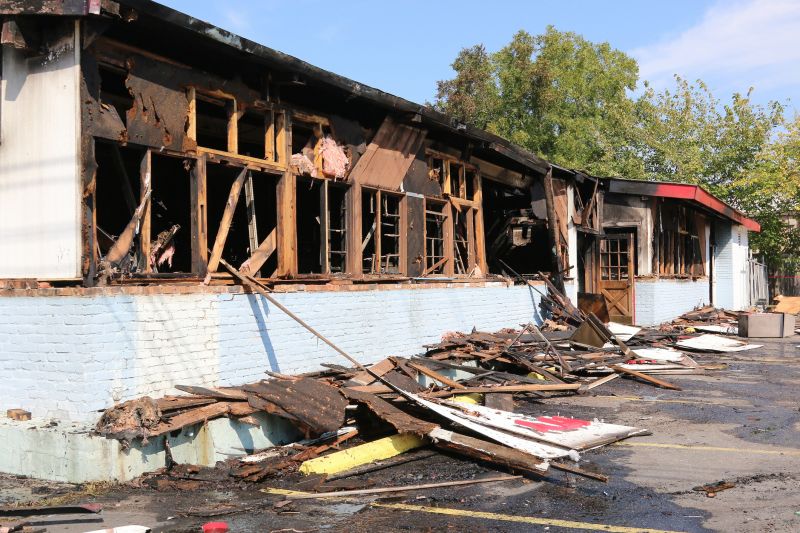
Rebuilding damaged areas to restore property integrity.
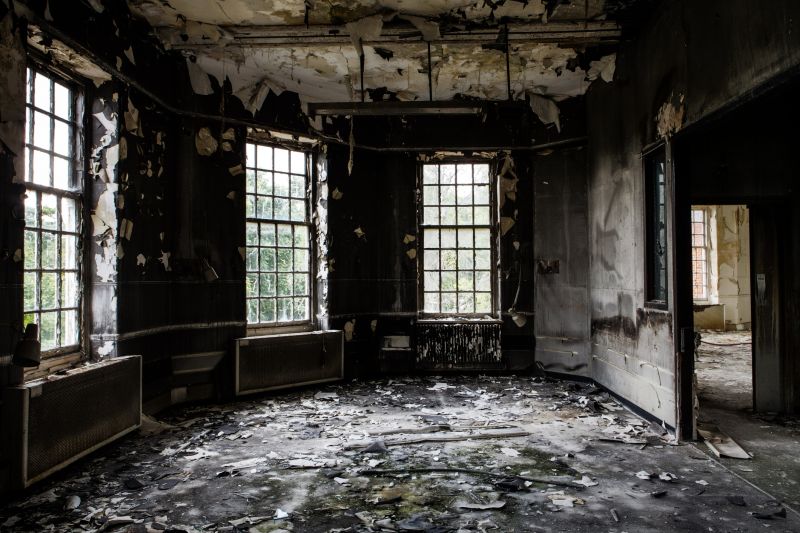
Ways to make Fire Restorations work in tight or awkward layouts.
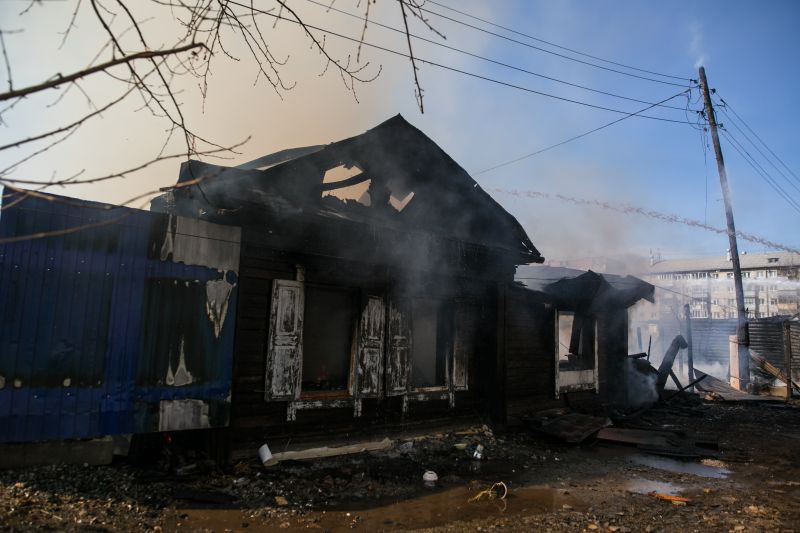
Popular materials for Fire Restorations and why they hold up over time.
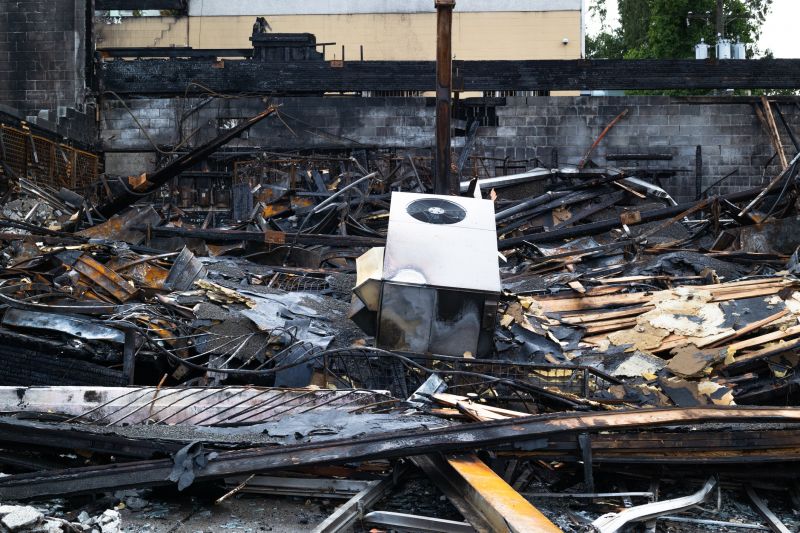
Simple add-ons that improve Fire Restorations without blowing the budget.
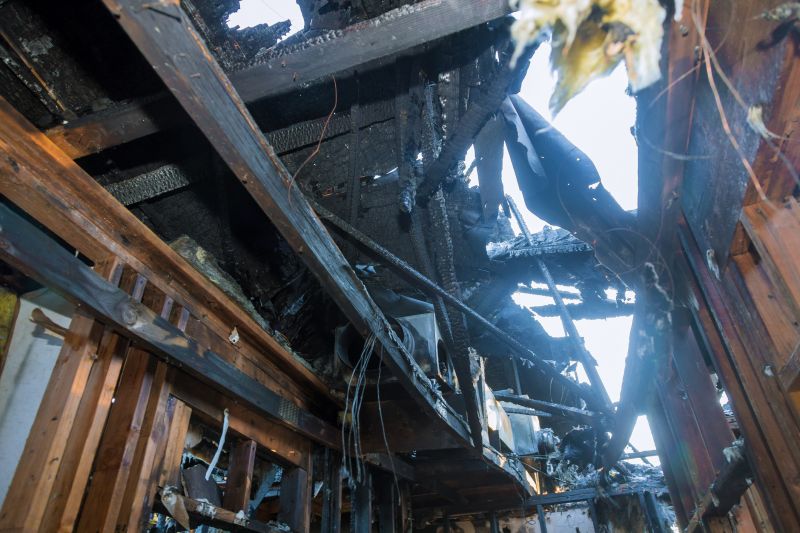
High-end options that actually feel worth it for Fire Restorations.
Interested property owners in fire restorations are encouraged to contact for more information. Prompt action and strategic planning can help restore properties efficiently and effectively, minimizing disruption and long-term costs.